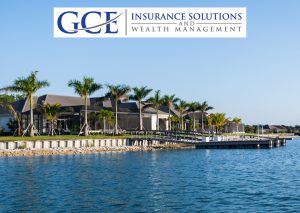
Whether you’re looking for a seasonal retreat or a permanent residence, buying a home in Fort Myers or Naples entails more than just selecting the right neighborhood or architectural style; it’s also crucial to understand the intricacies of homeowners insurance in our unique region.
Join us as we delve into the essential aspects of home insurance for Naples and Fort Myers, equipping you with the knowledge needed to make informed decisions and ensure peace of mind in your new Southwest Florida sanctuary. From evaluating specific policy needs to exploring cost-saving strategies, our comprehensive guide will illuminate the path to insuring your slice of paradise.
Why is Home Insurance Different in Southwest Florida?
Understanding region-specific risks and how they affect insurance policies is crucial for homeowners in the area. Along with general coverage, insurers in Southwest Florida must consider the impact of hurricanes, tropical storms, and flooding, which significantly influence the structure and costs of home insurance policies.
Hurricanes and Tropical Storms
Fort Myers, Naples, and surrounding areas often find themselves in the path of these severe weather events, which can cause extensive damage to homes. As a result, insurance providers in this area must factor in the high likelihood of wind and storm damage when underwriting policies. This often translates to higher premiums or specific hurricane deductibles, which can significantly affect the overall cost of home insurance. Policies are meticulously structured to address the potential havoc wreaked by these powerful storms.
Flooding Is a Separate Risk
While hurricanes and tropical storms pose a direct threat, flooding constitutes a separate and significant risk in Southwest Florida. The region’s low elevation and proximity to bodies of water make it particularly prone to flooding, even with milder rain events. Home insurance policies typically do not cover flood damage, meaning homeowners must purchase flood insurance, through the National Flood Insurance Program (NFIP) or a private carrier. The need for this supplemental coverage adds another layer of complexity and cost for homeowners seeking comprehensive protection.
Water Damage vs. Flood Damage
In the realm of home insurance, distinguishing between water damage and flood damage is crucial, particularly in Southwest Florida. Water damage caused by internal issues like pipe leaks or appliance failures is usually covered under standard home insurance policies. However, flood damage, which originates from external sources such as heavy rain or storm surges, is not included in these policies and requires separate coverage. Understanding these distinctions helps homeowners ensure they are adequately protected against the unique water-related risks they face living in Southwest Florida. This clear understanding is essential to avoid unexpected expenses and ensure peace of mind in a region where water-related issues are a constant threat.
Essential Insurance Tips for SWFL Homebuyers and Owners
As a homebuyer or homeowner, having adequate insurance not only protects your property financially but also provides peace of mind. Here are tips to help you navigate essential insurance details applicable to this region.
Tips for Homeowners Insurance
When considering home insurance in Southwest Florida, it’s important to ensure that your policy covers the full replacement cost of your home. This is the calculated value of rebuilding your property from the ground up, should it be completely destroyed by a covered peril, based on current labor and material costs. This is not a reflection of your home’s market value; it focuses purely on reconstruction expenses. It’s wise to inventory your belongings and ensure personal property coverage is sufficient, confirming whether coverage is provided at actual cash value (depreciated value) or replacement cost. Consider policies that offer sufficient loss of use coverage, which can be a lifesaver should your home become uninhabitable after a disaster.
Tips for Flood Insurance
When purchasing flood insurance, be mindful of waiting periods before the coverage kicks in, which is usually 30 days for NFIP policies. Note that the NFIP maximum dwelling coverage is $250,000 which may not provide sufficient coverage for your home, in these circumstances consider exploring private flood options, whom provide additional coverage options than the NFIP and can offer coverage at replacement cost for homes exceeding the $250,000 threshold. Evaluate your policy limits carefully: you must explicitly add contents coverage to protect your personal belongings, as it is not automatically bundled with dwelling coverage. Furthermore, be aware that standard federal policies only cover belongings at actual cash value (depreciated) and completely exclude loss of use coverage for temporary living expenses. To secure replacement cost coverage for contents and loss of use coverage, consider a private flood insurance policy.
Tips for Windstorm & Hurricane Coverage
In Southwest Florida, windstorm coverage is typically built right into your standard homeowners policy. You don’t buy a separate “windstorm policy” unless your carrier specifically excludes it, in which case you’d secure a wind-only policy through an insurer like Citizens. The major detail to watch is your hurricane deductible, which is most commonly calculated as a percentage of your home’s insured value (usually 2% to 10%) rather than a flat dollar amount. Understanding this difference is crucial, as a 2% deductible on a $350,000 home means you will be responsible for $7,000 out-of-pocket before your coverage pays a dime.
Insurance Considerations Before Buying a Home
Evaluating the terms and nuances of potential insurance policies can streamline your decision-making process and ensure a financially secure home ownership experience. Here are a few essential insurance considerations to keep in mind before finalizing your home purchase in these beautiful Southwest Florida locales.
Age of the Roof
One of the primary factors insurance companies assess is the age and condition of the roof. Older roofs are more susceptible to damages, especially from severe weather conditions common in Florida. Insurers may charge higher premiums or even refuse coverage if the roof is deemed to be in poor condition or nearing the end of its lifespan. It is wise to obtain a professional roof inspection to understand any potential insurance ramifications and necessary repairs before investing in a home.
Home Evaluation
A comprehensive home evaluation is crucial for understanding the insurance needs of your prospective property. Factors such as the size, structure, and age of the home can influence premium rates. The location and proximity to water bodies or flood-prone areas can significantly impact the cost and type of coverage required. Independent inspections and detailed assessments can help you anticipate potential insurance demands and budget accordingly for your home.
Previous Claims History & Construction Features
The insurance history of a home can provide insights into past damages and potential future risks. A home with a history of frequent claims might be indicative of underlying issues that could lead to higher insurance costs. Moreover, construction features such as the presence of storm shutters, impact-resistant windows, or a reinforced building structure can reduce insurance costs by offering added protection against Florida’s weather. It’s essential to examine both the claims history and structural features to negotiate the best insurance terms and ensure comprehensive coverage for your new home.
Insurance Protection for Fort Myers and Naples Homes
GCE’s commitment to delivering comprehensive and customized insurance policies ensures that your investment is protected against unforeseen events, allowing you to enjoy the vibrant lifestyle and natural beauty these areas offer.
As you embark on this exciting journey, trust GCE to safeguard not just your home, but your future in Fort Myers or Naples.
The information provided in this article is intended for general informational purposes only and should not be considered as professional insurance advice. While we strive to ensure the accuracy and reliability of the details presented, insurance needs and regulations can vary significantly based on individual circumstances and geographic locations. We recommend consulting directly with a qualified insurance agent to receive personalized guidance tailored to your specific situation.